
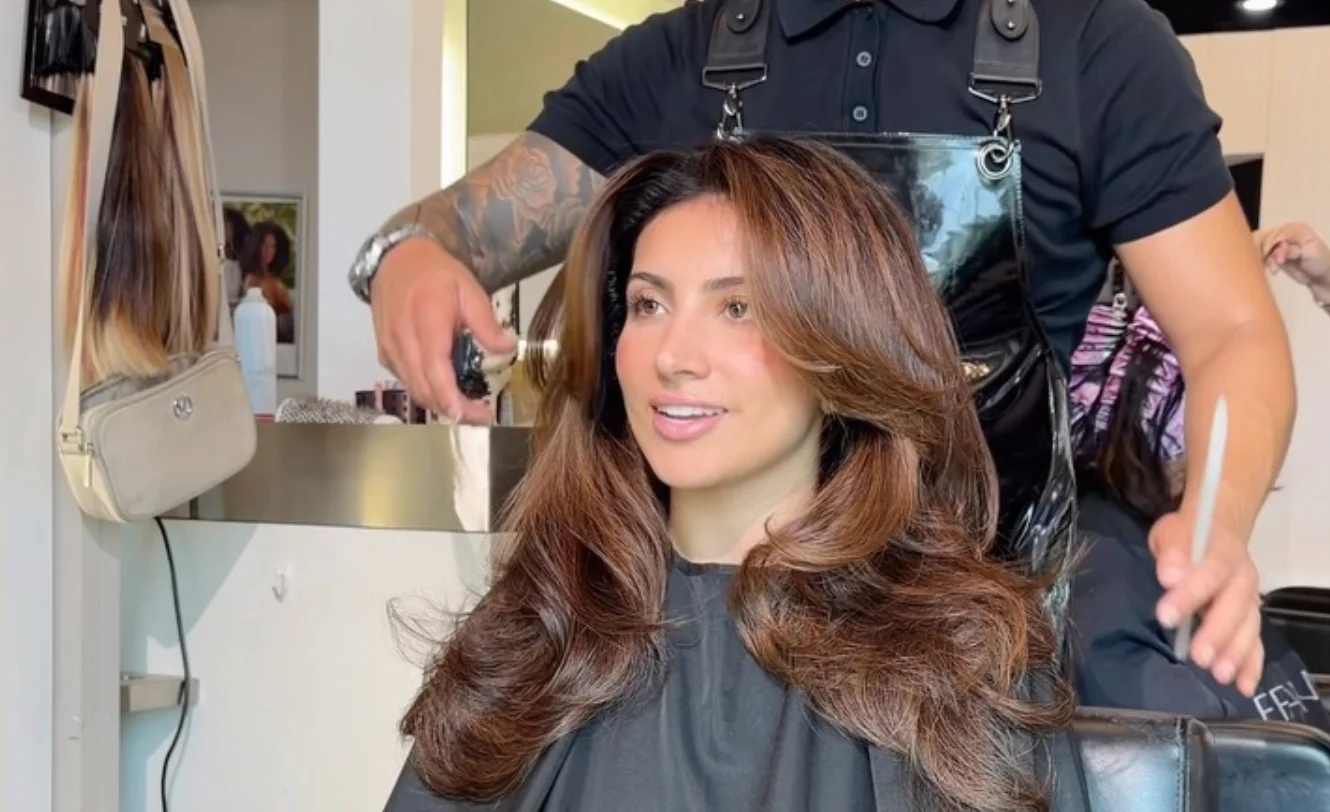

You catch your reflection in a shop window and your hair looks flat and a little tired, like a photo with the contrast turned down. That’s usually the moment someone books a gloss. Natural hair glossing is a gentle in-chair service that smooths the surface of each strand and adds shine. For the right person, it’s one of the nicest low-effort upgrades a salon offers. It’s also easy to oversell, so here’s an honest look at what hair glossing can do, what it can’t, and how to make the results last.
Why hair looks dull in the first place
Every strand is wrapped in overlapping scales called the cuticle, a bit like roof shingles. When they lie flat, light bounces back evenly and hair looks glossy. When they’re lifted or chipped by heat, sun, bleach, brushing or plain old time, light scatters and hair looks matte. The ends are usually the worst because they’re the oldest part of your hair. How well your cuticle holds together is what people mean by hair porosity. Hair glossing works on that surface layer. It can’t change what’s happening inside the strand.
What a gloss actually is
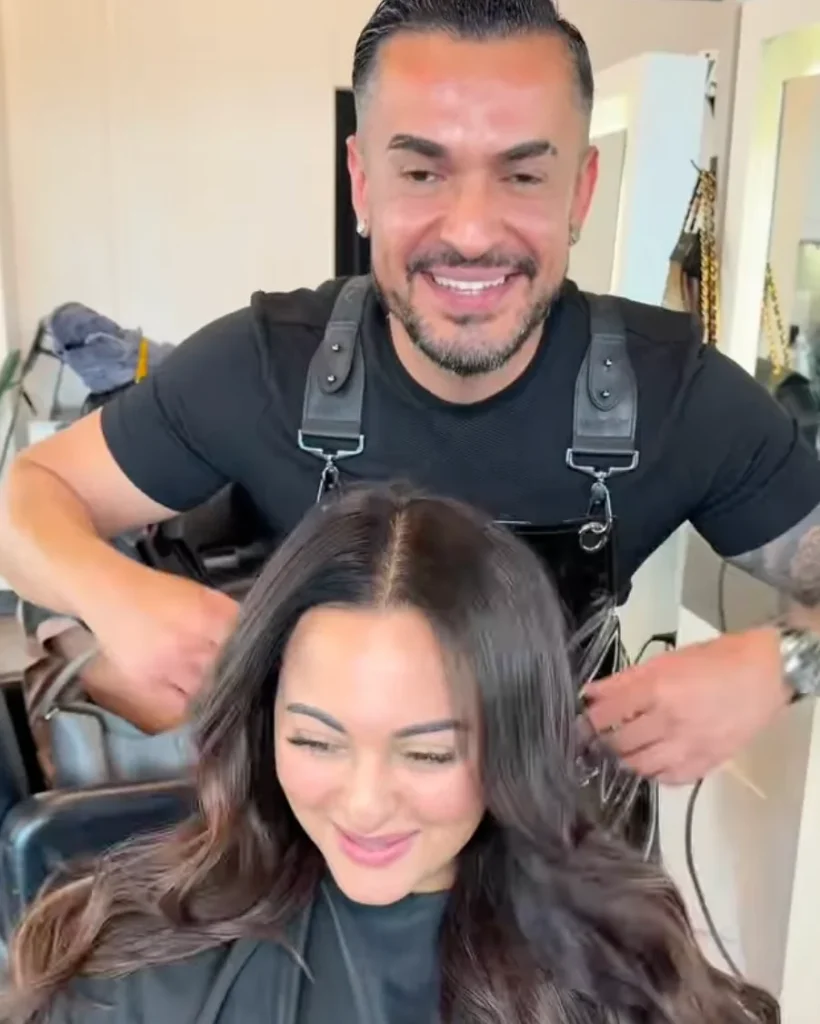
There are two kinds. A clear gloss adds no colour. It helps the cuticle lie flatter so light reflects better. A tinted gloss does the same while depositing a little pigment, which can refresh faded colour, soften early grays or cancel brassy tones. Most salon glosses are demi-permanent. They’re mixed with a low-strength developer, they don’t lift your natural colour, and they fade gradually.
That’s worth knowing, because “natural” in natural hair glossing describes the soft, believable finish, not a promise that the formula is chemical-free. Ask your stylist what’s in the bottle and why they chose it. The best hair glossing appointments start with that conversation.
Who benefits most from hair glossing
- Coloured hair that’s fading or turning warm. A gloss can bring back depth in one visit.
- Healthy hair that looks flat, often from sun, hard water or product build-up.
- Dark hair, where the mirror effect is most dramatic.
Results are more modest on very bleached or damaged hair. Highly porous hair takes in a gloss and lets it go quickly, so it looks wonderful for a week or two and then fades. In that case, hair glossing is a pretty finish, not a repair. A trim and a good conditioning routine will do more for you. If your hair already has a smooth cuticle and plenty of shine, the difference will be subtle, and it’s fair to ask whether you need one.
What happens in the chair
Expect a shampoo, then the gloss on damp hair, a wait of roughly ten to twenty minutes depending on the product, a rinse, conditioner and styling. Most visits take under an hour. A typical hair glossing service lasts about three to six weeks. It fades sooner if you wash often, use hot tools or spend a lot of time in the sun. Prices vary a great deal between salons, so ask before you sit down.
Safety: patch tests and honest limits
Clear glosses are usually low-risk, but tinted ones can contain dye ingredients that cause allergic reactions in some people. The FDA’s hair dye guidance recommends a patch test before every colouring, wearing gloves, and never using hair dye on eyebrows or eyelashes. It also notes that a clear skin test doesn’t completely rule out a later reaction, and that one ingredient, PPD, is linked to allergic reactions more often than others. Health Canada adds that sensitivity may not show up until you’ve used these products several times, so repeat the test even if you’ve had colour before.
A few practical rules:
- Tell your stylist about any past reaction to hair colour, and ask for a clear, dye-free gloss if you’ve had one.
- Ask whether your product needs a patch test. A careful salon will offer one.
- Rinse right away and see a doctor if you get burning, swelling, blistering or intense itching.
- Postpone if your scalp is irritated, sore or has broken skin.
- Mention recent bleaching, relaxing or perming, so the stylist can check your strands first.
Be wary of any promise that hair glossing will thicken hair, repair split ends or stop breakage. It won’t. Shine is the benefit, and a trim is the only real fix for split ends.
Keeping the shine going after hair glossing
These small habits decide whether your natural hair glossing results last:
- Shampoo the scalp, condition the rest. The American Academy of Dermatology advises choosing products made for your hair type. It also recommends conditioner after every wash: on the ends if your hair is fine or straight, and the full length if it’s dry or curly.
- Be gentle when wet. Use a wide-tooth comb and blot with a soft t-shirt or towel rather than rubbing.
- Turn down the heat. Use a heat protectant and the lowest setting that works.
- Finish with a cool rinse. It’s a popular stylist habit. The evidence is thin, but it costs nothing and does no harm.
- Try an occasional diluted vinegar rinse. Mix a tablespoon or two into a cup of water. Some people find it leaves hair feeling smoother, though research is limited. Keep it out of your eyes and skip it if your scalp is irritated.
- Add a drop or two of oil to dry ends for a finishing shine.
Think of these habits as aftercare for hair glossing. The salon visit gives you the shine, and these keep it.
Common questions about natural hair glossing
Will a gloss lighten my hair? No. It deposits at most a little tone and doesn’t lift colour.
Is hair glossing bad for my hair? Clear and demi-permanent glosses are generally gentler than permanent colour, but they’re still chemical services. If your hair is already fragile from bleaching, ask your stylist whether to wait.
Can I get one on curly or coily hair? Yes. Curly hair tends to be drier, so hydrate first and share your usual routine. Hair glossing on curls can add shine and definition, though results depend on the product.
How often can I have one? Many clients book every four to eight weeks, but there’s no rule. If your hair feels rough or dry, skip a round and focus on conditioning.
Can I do it on the same day as colour? Often yes, since a gloss is commonly the final step. Let your stylist decide.