
Most people don’t walk into a salon asking for balayage. They say, “I want to look like me, just brighter,” or “I’m tired of a root line every five weeks.” That’s the real request behind natural hair color: colour that looks like it grew that way and forgives you when life gets busy. Soft balayage and natural highlights answer it better than most services. Here’s how they differ, who they suit, what they cost your hair, and how to ask for the result you’re picturing.
What natural hair color really means
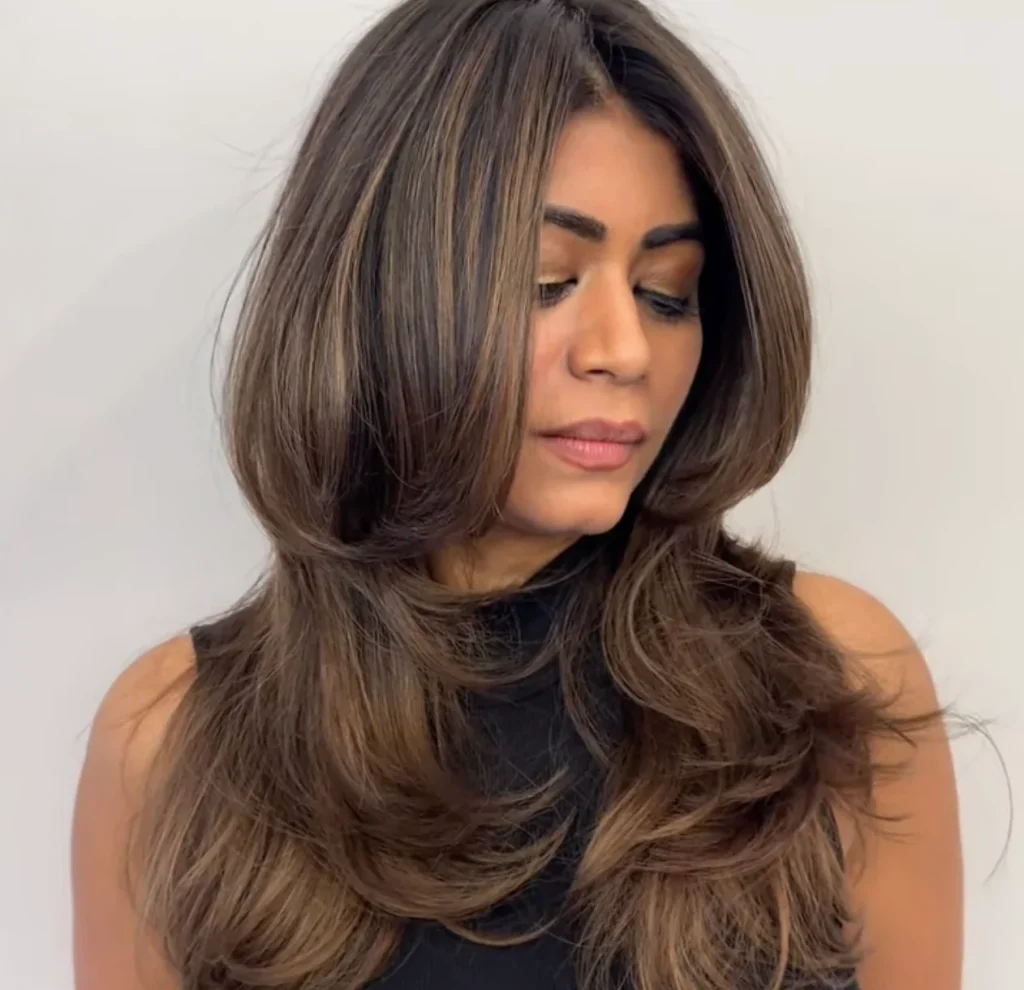
It’s a look, not an ingredient list. Natural hair color is the effect of shades that sit close to what the sun or genetics might have done: honey, caramel, soft bronze, a few brighter pieces around the face. It usually means a gradual blend instead of a hard line at the roots, which is why it grows out so kindly.
What it doesn’t mean is gentle chemistry by default. Lightening hair, even softly, still uses lightener and peroxide. The American Academy of Dermatology’s colouring tips say that going more than three shades lighter needs higher-volume peroxide, which causes more damage. They also say that going darker is typically easier on hair than going lighter. So a natural hair color result can still be a real chemical process. That’s fine, as long as you know it going in.
Soft balayage vs natural highlights
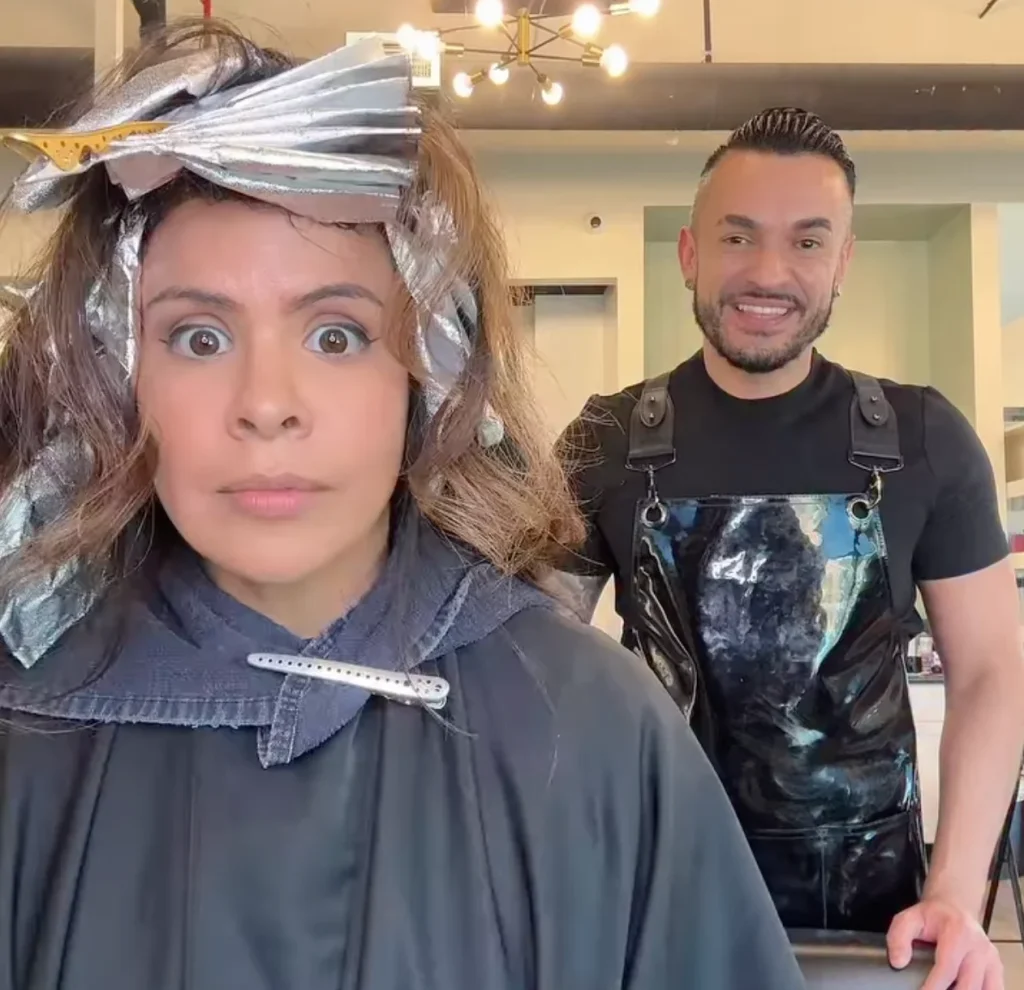
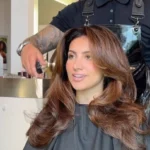
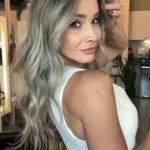
Balayage comes from the French for “to sweep.” The colour is painted by hand, usually starting a few inches below the root and getting brighter toward the ends. Soft balayage keeps the contrast low, so the shift looks like sunlight instead of stripes. Natural highlights are usually finer strands placed closer to the root, brightening the whole head in tones near your base colour.
- Soft balayage: a blurrier root, more sun-kissed, and generally the lowest-maintenance option. Many stylists suggest three to four months between visits, depending on contrast.
- Natural highlights: brighter near the face and crown, more even overall, and often touched up a little sooner.
- Both together: common, and a good way to get dimension and brightness.
Neither is better. They’re two routes to the same natural hair color goal, and the right one depends on your base colour, your budget and how often you’ll realistically come back.
Who gets the best results from natural hair color
- Light to medium brown and dark blonde hair that wants dimension.
- Anyone who dreads a visible regrowth line.
- People with some gray who want blending, not full coverage. Gray hair can be resistant, so the stylist may add a base colour or toner. Expect it to soften the gray, not erase it.
Be realistic if you have very dark hair. Lifting it takes more time, may need more than one visit, and passes through warm, orangey stages. Hair previously coloured with dark box dye can lift unevenly, and you may need a correction rather than a simple balayage. If your hair is already fragile, relaxed or heavily bleached, ask for a strand test and an honest opinion before booking. Natural hair color on healthy hair is gentle compared with full-head bleach. On compromised hair, it’s a risk.
What lightening does to your hair
Lightened strands tend to be more porous. They absorb moisture quickly, lose it quickly, and can lose toner faster too. WebMD’s overview of high porosity hair explains how chemical treatment and sun can lift the cuticle. In practice, expect lightened pieces to feel a touch drier than your untouched hair, and plan for conditioning and regular trims.
If you want a few shades brighter, soft balayage is a reasonable route. Going from near-black to icy blonde is a long, damaging journey, not a single natural hair color appointment.
Asking for natural hair color in the consultation
- Bring two or three photos, plus one photo of what you don’t want.
- Say how often you’ll truly come back. Honest answers get better-designed colour.
- Share your history: box dye, henna, relaxers, keratin treatments. Some stylists won’t lighten over henna or metallic dyes, so they need to know.
- Ask how many shades lighter they plan to go, whether a toner is included, and what the total cost and upkeep look like.
- Ask for a strand test if your hair is fragile.
A good stylist will happily talk it through. If a salon promises natural hair color with zero damage, treat that as a red flag.
Safety: patch tests, allergies and sun
Lightener isn’t the same as dye, but the toners and glosses used with balayage often contain dye ingredients. The FDA’s hair dye guidance says to patch test before every colouring, wear gloves and never use hair dye on eyebrows or eyelashes. It notes that some coal-tar hair dyes can cause allergic reactions, with one ingredient, PPD, implicated more often. It also says a clear skin test doesn’t completely rule out a later reaction. Health Canada adds that sensitivity can develop after repeated use, so repeat the test each time.
- Tell your stylist about any past reaction and ask for a patch test.
- Rinse right away and get medical advice for burning, swelling, blistering or intense itching.
- Reschedule if your scalp is irritated or broken.
- Think twice about DIY balayage. Freehand lightening at home is a common route to patchy, brassy or damaged hair that then needs a corrective appointment.
- Wear a wide-brimmed hat. The AAD notes that sun can leave dyed or bleached hair weak, dry, rough and faded.
Keeping natural hair color looking natural
- Wait before the first wash. Many stylists suggest about 48 hours. Ask what your salon recommends.
- Choose the right products. The AAD’s healthy hair tips suggest shampoo and conditioner made for your hair type, such as a formula for colour-treated hair. Put conditioner on the ends if your hair is fine or straight, and on the full length if it’s dry or curly.
- Use purple shampoo sparingly. It’s for lightened blondes fighting brassiness, not everyone, and overuse can leave hair feeling dry.
- Protect from heat. Use a heat protectant and the lowest setting that works.
- Trim regularly. Lightened ends are the first to fray.
- Refresh with a gloss or toner between lightening visits instead of re-lightening.
Aftercare is what makes natural hair color last.
Quick answers
How long does natural hair color take? Often two to four hours, and longer for dark hair or heavier lightening.
How much does natural hair color cost? It varies widely by city, stylist and hair length. Ask for a range up front, and include toner, cut and upkeep.
Will soft balayage grow out well? That’s its strength. The blurred root means no harsh line, though the brightness will gradually shift.
Is natural hair color suitable for curly hair? Yes, with a stylist who places colour with your curl pattern in mind. Lightened curls dry out more easily, so hydrate well.
How soon can I lighten again? Space visits as your stylist advises, and avoid re-lightening the same pieces too soon.